
Living in Jackson Hole: a Teton Valley buyer's guide to the Wyoming side
An honest note before you read further: Teton Properties is an Owner's Representative and Owner Advisor in Driggs, Idaho. We are not a real estate agent, not a home builder, and we do not sell land or list properties for sale. A licensed realtor handles any land or home purchase, and licensed, insured builders build. Our role is to stand only for you, the owner — before you buy, while you build, and after you move in or start using a second home.
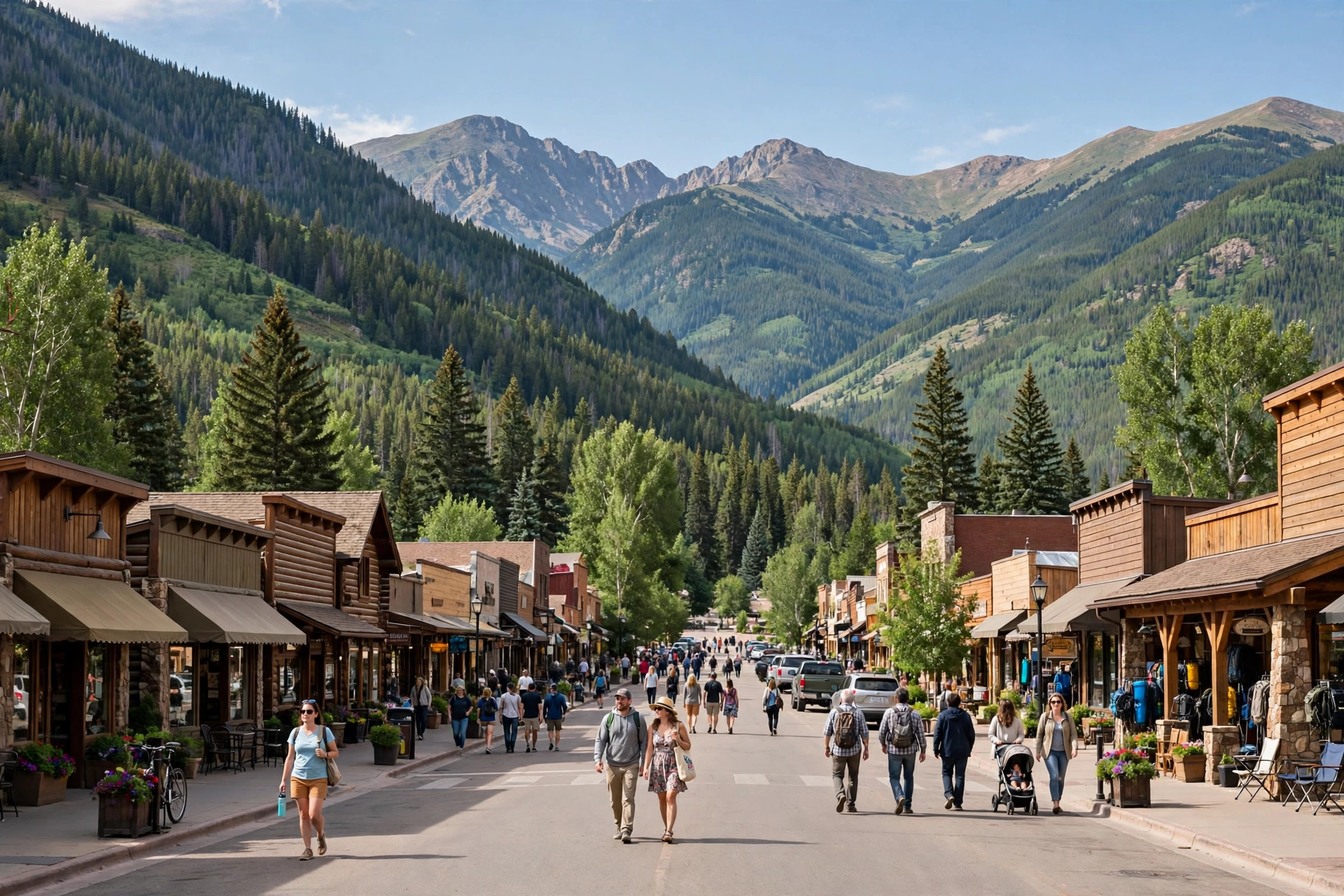
Living in Jackson Hole means living in a resort town, and that single fact shapes almost everything else. Jackson Hole sits in Wyoming, across the state line from Teton Valley, Idaho, over the pass from Victor and Driggs. It is famous, busy, and beautiful, with shops, restaurants, galleries, and services that a small Idaho town cannot match — and with crowds, traffic, and resort prices to match. For a Teton Valley buyer, the question is rarely whether Jackson Hole is impressive. The question is whether its daily life fits the home you actually want.
This guide is written from the buyer's side, and from the Idaho side's perspective. It compares living in Jackson Hole honestly with living in Driggs, Victor, and Tetonia, without claiming any particular property, price, or deal. Every lot and home, on either side of the line, still has to be checked on its own facts: services, access, rules, winter conditions, and the full cost in writing.
Living in Jackson Hole: daily life, resort energy included
Daily life in Jackson Hole is the most urban daily life in the Teton region. You can walk to shops and restaurants, find services close at hand, and live in the middle of a town that is awake in every season. For a buyer who wants activity, dining, and a social calendar without driving, that is a genuine advantage, and it is the main reason people pay the resort premium to be there.
The other side of that advantage is the resort itself. Jackson Hole in peak season is crowded, and that crowding affects traffic, parking, restaurants, and the simple feeling of a street. A buyer who imagines Jackson Hole as a quiet mountain town will be surprised; a buyer who imagines it as a resort town will recognise it immediately. The town's energy is not a flaw, but it is a daily reality, and it should be weighed the way any daily reality should be weighed: by living in it for a few days, in ordinary conditions, not only by visiting its highlights.
Winter in Jackson Hole is also resort winter: deep snow, serious cold, and a town built to handle both, with services and plowing to match. That infrastructure is a strength, and it is also a reminder that winter care, heating, pipes, and access matter just as much on the Wyoming side as on the Idaho side. A resort town does not remove winter planning. It only changes who does it and what it looks like.
Jackson Hole versus the Idaho side: an honest comparison
Compared with Driggs, Victor, and Tetonia, Jackson Hole offers more, and costs more, in the broadest sense. More shops, more restaurants, more services, and more visitors. More traffic, more crowds, and generally higher prices for homes, land, and everyday life. The Idaho side offers the opposite trade: quieter streets, a more local and residential feel, open farmland, and a daily pattern set by neighbours and seasons rather than by a visitor calendar, with the trade-off that services often mean a drive to Driggs.
Distance matters in this comparison, and it matters in both directions. Living in Jackson Hole puts you close to its resort world, but further from the Idaho valley's quiet and from the Driggs community that Teton Properties serves. Living in Driggs, Victor, or Tetonia puts you in that quieter valley world, but further from Jackson Hole's services, and the pass between the two sides can be difficult in winter storms. A buyer who plans to cross the pass regularly should test that crossing in winter conditions, not only in summer, and should ask what it means for work, school, appointments, and emergencies.
Neither side is the right answer in general. The right answer is the daily pattern that fits you: how much activity you want close by, how much quiet you want at home, how you feel about crowds and resort prices, and how you feel about driving for services. A buyer who chooses Jackson Hole for its energy and then resents its crowds has made the same kind of mistake as a buyer who chooses Tetonia for its quiet and then resents its distance. Choose the pattern, not the reputation.
Buying and building on the Wyoming side: the same checks, different rules
Buying or building in Jackson Hole involves the same core checks as buying or building in Teton Valley, Idaho, but the details change across the state line. County rules, building requirements, snow load standards, and service arrangements are set locally, and they must be confirmed with the relevant county and a licensed engineer for the specific site, not carried over from an Idaho lot or from a general guide. A buyer who assumes Idaho rules apply in Wyoming, or the reverse, will be caught out.
Builder bids in Jackson Hole need the same apples-to-apples comparison as anywhere else: same scope, same finishes, same allowances, side by side in plain language. In a resort market, where demand is high and schedules are tight, that comparison is arguably more important, not less, because a bid that cannot be compared is a bid that cannot be judged. Change orders, too, need review before approval, especially for an owner approving them from far away. A resort build that drifts is a resort build that costs, and the drift is caught the same way everywhere: written scope, tracked budget and schedule, and photographs after each stage.
For a second-home buyer, winter and care planning belong in the Jackson Hole conversation from the start, just as they do in Teton Valley. Heating, pipes, access, and a named local contact who checks the home after storms are not extras in a mountain resort town. They are the system that lets a home wait safely between visits, and they should be set up before the first winter away, not after the first winter problem.
How to leverage an owner's representative across the state line
An owner's representative is most useful in a Jackson Hole decision when brought in before you buy or sign with a builder, while the choice between Jackson Hole and the Idaho side is still open. That is when an honest comparison can still change the decision, when a feasibility check can still change the lot, and when a bid comparison can still change the builder. A representative can still help mid-build, but the cheapest clarity comes before you commit.
What to ask for is concrete. Ask for the daily-life comparison in plain terms: services, crowds, driving, winter access, and what each town actually feels like to live in, not only to visit. Ask for a written feasibility check for any specific lot, on either side of the line: services, access, rules, and full cost, in writing, confirmed with the relevant county and a licensed engineer where code and snow load are concerned. Ask for builder bids compared on the same scope, for change orders reviewed before approval, and for budget and schedule tracked with photographs.
What that saves is the cost of choosing a town for its reputation and discovering its daily pattern does not fit, and the cost of a build that drifts because no one on your side was checking it. It also saves the feeling of carrying a cross-state decision alone. A representative in the valley, working only for you, can talk through both sides honestly — Jackson Hole's energy and the Idaho side's quiet — and help you choose the home, and the town, that fits how you will actually live.
Is Jackson Hole the right fit? A short, honest test
Jackson Hole fits best if you want resort services, activity, and a walkable town close by, and you accept resort prices, crowds, and traffic as part of that life. The Idaho side fits best if you want a quieter, more local life and you accept driving for services. Test both the way you would live there: stay a few days, drive the routes you would drive, and look at the lot or home in winter conditions, not only in summer light.
And talk through the decision before you commit — with a licensed realtor for any purchase, with licensed builders for any build, and with an owner's representative standing only for you, so the choice between Jackson Hole and Teton Valley is yours, checked, and calm.
Frequently asked questions
What is living in Jackson Hole like compared with Teton Valley, Idaho?
Jackson Hole is a resort town in Wyoming, across the state line from Teton Valley, Idaho. It is busier, more visitor-driven, and generally more expensive than Driggs, Victor, or Tetonia, with more shops, restaurants, and services close at hand, and more crowds, traffic, and resort energy to go with them.
Should a Teton Valley buyer choose Jackson Hole or the Idaho side?
It depends on daily life, not reputation. Jackson Hole suits a buyer who wants resort services and activity close by and accepts resort prices and crowds. The Idaho side suits a buyer who wants a quieter, more local life and accepts driving for services. Each lot and home still needs checking on its own facts.
How can an owner's representative help with living in Jackson Hole?
By helping you compare honestly across the state line: what daily life, services, access, and winter conditions actually mean for each option, and, if you build or buy on either side, by checking the lot, comparing bids on the same scope, reviewing change orders, and tracking budget and schedule with photo updates.
When should I bring in an owner's representative for a Jackson Hole decision?
Before you buy land or a home, or sign with a builder, while the choice between Jackson Hole and the Idaho side is still open and a feasibility check can still change it. A representative can still help mid-build, but the cheapest clarity comes before you commit.
What does it cost NOT to have an owner's representative when choosing between Jackson Hole and Teton Valley?
No fee is quoted here, because none is set. The cost of going without is measured in the corrections a representative is there to catch early: choosing a town for its reputation and discovering its daily pattern does not fit, or a bid gap and change orders approved without review.
Talk it through before you commit. If you are weighing Jackson Hole against the Idaho side, or looking at a lot or a builder on either side, a short conversation can save a long, expensive correction later.
(208) 932-3565 Contact on the homepage · doug@tetonproperties.com
Related guides
- Teton Valley real estate: a buying guide for out-of-state buyers
- Buying property in Teton Valley from out of state: a step-by-step guide
- Land feasibility in Teton Valley: the checklist before you buy or build
- Build: feasibility as the first step
- Care: home care for a second home in Teton Valley