
Building from out of state in Teton Valley: visits, and what happens between them
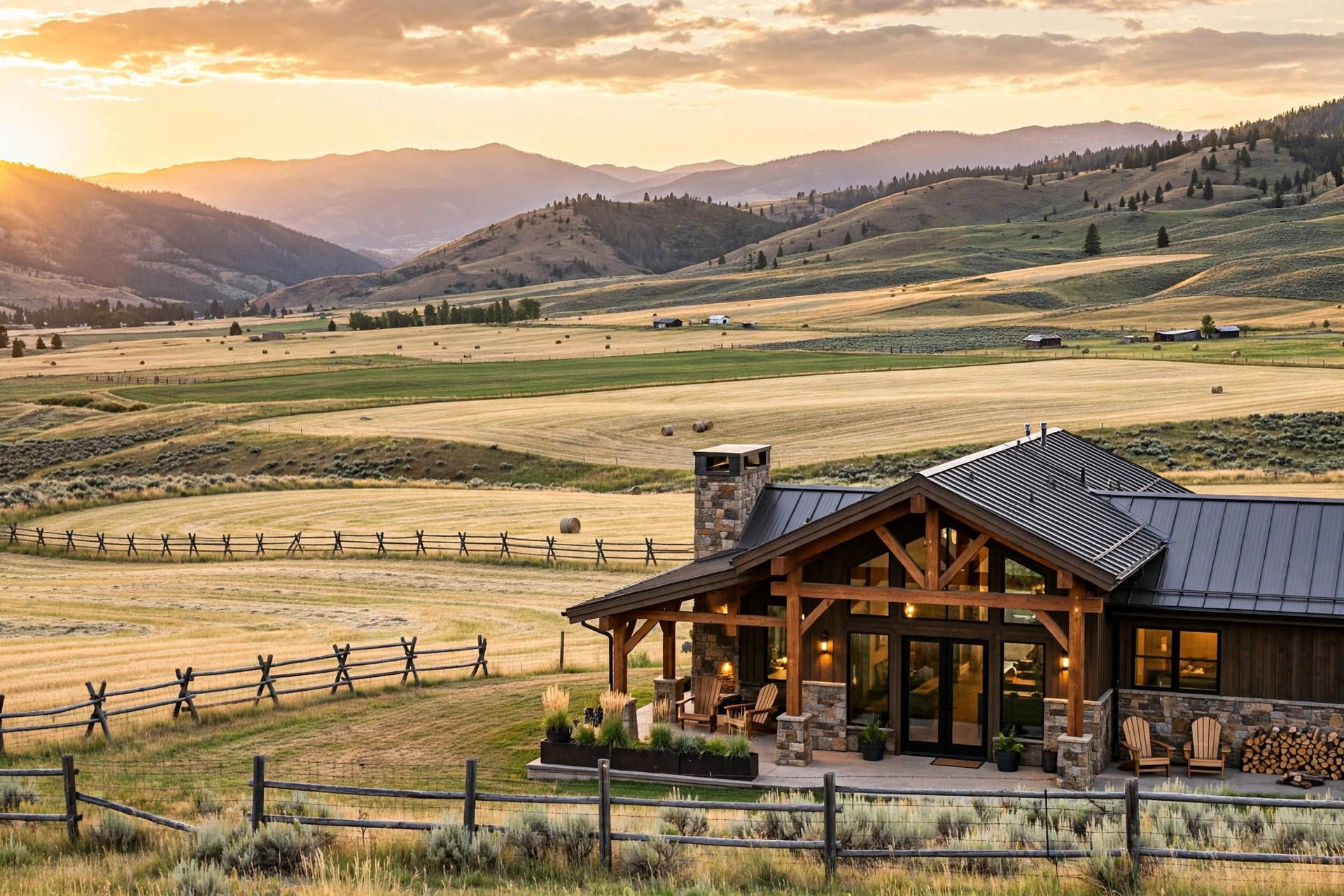
An honest note before you read further: Teton Properties is an Owner's Representative and Owner Advisor in Driggs, Idaho. We are not a real estate agent, not a home builder, and we do not sell land or list properties for sale. A licensed realtor handles any land or home purchase, and licensed, insured builders build. Our role is to stand only for you, the owner — before you buy, while you build, and after you move in or start using a second home.
Building from out of state in Teton Valley is entirely possible — most of our owners do it — but it only works if the distance is managed deliberately. The question owners ask first is usually how often they should visit. The better question is what happens between visits, because that is where a remote build succeeds or quietly drifts.
This post answers both questions honestly: a sensible visit rhythm, what you should expect to see and decide on each trip, and the system that keeps a build moving, documented, and honest while you are hundreds or thousands of miles away. It is written from the owner's side, by an Owner's Representative in Driggs, Idaho, who is paid only by the owner.
Building from out of state in Teton Valley: the visit rhythm that works
For most out-of-state owners, three to five well-timed visits across a build is a sensible rhythm, rather than a fixed number. The visits that matter most are the ones tied to decisions, not to the calendar: a lot walk before you buy, a pre-construction review once the plan and builder are set, a framing walk when the home's shape first becomes real, a finishes walk before selections are locked in, and a final walkthrough with a punch list. Visiting at decision points means you see the home when your eyes actually change the outcome.
Visiting more often is not automatically better. Every trip costs time and money, and a visit with nothing to decide can become a tour rather than a review. Visiting less often is not automatically worse, either, provided the system between visits is strong. The owners who struggle are not the ones who visit rarely; they are the ones who visit rarely and hear little in between. Distance is manageable. Silence is not.
What should happen between visits
Between visits, three things should happen on a reliable rhythm: someone local walks the site, someone photographs what they see, and someone reports to you in plain language. The report should say what was done, what is next, whether budget and schedule are on track, and what needs your decision, with a date by which you need to decide it. If a week passes with no report and no photographs, that is a signal, not a pause — ask for the update, and ask what is blocking it.
Change orders deserve special attention between visits, because they are the easiest place for a remote build to leak money. No change should start before you have seen it priced, compared it against what was already included, and approved it. A remote owner who approves changes by phone, without a written price and scope, is effectively signing blank cheques from another state. Insist on the paper first, every time, even for small changes. Small changes add up, and they are where duplicate charges hide.
How to leverage an owner's representative when building from out of state
This is where an owner's representative earns its keep for an out-of-state owner. Bring one in before you buy land or sign with a builder, not after the first surprise. Before those commitments, a representative can check feasibility, compare bids apples to apples, and review the builder contract for the clauses that matter to a remote owner: how changes are priced, how delays are handled, and how progress is documented and billed.
What to ask for, specifically, is a remote-owner system, not just occasional help. Ask for scheduled site visits with photographs, budget and schedule tracking against the original plan, change-order review before you approve anything, and a single plain-language update after each visit that lists your open decisions. Ask, too, for the representative to be your local eyes on the decisions you cannot see: is the work billed actually done, does the framing match the plan, are the materials the ones you selected?
What that saves you is the cost of distance itself. Without a local advocate, a remote owner discovers problems late, when they are expensive to fix, or not at all, when they are hidden behind finishes. With one, problems surface while they are still cheap to correct, bids are compared before you commit, and you gain negotiating leverage: a builder dealing with an informed local advocate tends to bid more carefully and document more clearly. And it saves something harder to price — the ability to sleep well while a large investment is being built far from home.
Decisions you should make in person, and decisions you can make remotely
Some decisions reward an in-person visit: the lot walk, the framing walk, and the final walkthrough. Those are moments when standing in the space changes what you notice — light, slope, scale, and finish quality in a way photographs cannot fully convey. If you can only make a few trips, make them those.
Many other decisions work well remotely, provided the information is good: selections from samples and photographs, change-order approvals from a written price and scope, and budget decisions from a clear tracking report. The test is not whether you are present; it is whether you have the information to decide well. A representative's job is to make sure that information reaches you early, complete, and in plain language, so distance never becomes a reason for a rushed or uninformed choice.
A remote build checklist, before you commit
Before you commit to building from out of state, check five things. First, has the lot had a written feasibility review, including services, access, rules, and site cost? Second, have at least two builder bids been compared apples to apples, with allowances and exclusions lined up? Third, does the builder contract handle changes, delays, and progress billing in a way you understand? Fourth, is there a named local person, paid only by you, who will visit, photograph, and report on a schedule? Fifth, do you have a decision calendar — which choices are yours, and when each is due? If any of those answers is no, fix it before you sign, not after. A remote build is not a leap of faith. It is a system, and the system should be in place before the first shovel moves.
Frequently asked questions
How often should I visit if I am building from out of state in Teton Valley?
Most owners do well with three to five visits tied to decisions: a lot walk, a pre-construction review, a framing walk, a finishes walk, and a final walkthrough. The visits that matter are the ones where your eyes change the outcome.
What happens between visits on a remote build?
A local representative should visit the site, photograph progress, and report in plain language: what was done, what is next, budget and schedule against plan, and what needs your decision, with a deadline for it.
When should I bring in an owner's representative for an out-of-state build?
Before you buy land or sign with a builder. That is when feasibility, bid comparison, and contract review can still change the outcome and give you leverage. After problems start, a representative can still help, but the expensive choices are already locked in.
How do I leverage an owner's representative from far away?
Ask for a system: scheduled visits with photographs, budget and schedule tracking, change-order review before approval, and one plain-language update after each visit listing your open decisions. Specific asks produce useful work; vague asks produce vague reports.
What does it cost NOT to have an owner's representative on a remote build?
No fee is quoted here, because none is set. The cost of going without is measured in late discoveries: a lot problem after closing, a bid gap mid-build, or a change order approved sight unseen. From far away, those mistakes are discovered later and cost more to fix.
Talk it through before you commit. If you are looking at land, a builder, or a purchase in Teton Valley, a short conversation can save a long, expensive correction later.
(208) 932-3565 Contact on the homepage · doug@tetonproperties.com
Related guides
- Owner's representative in Teton Valley
- Land feasibility in Teton Valley
- Buying property in Teton Valley from out of state
- Build from out of state with an Owner's Representative